
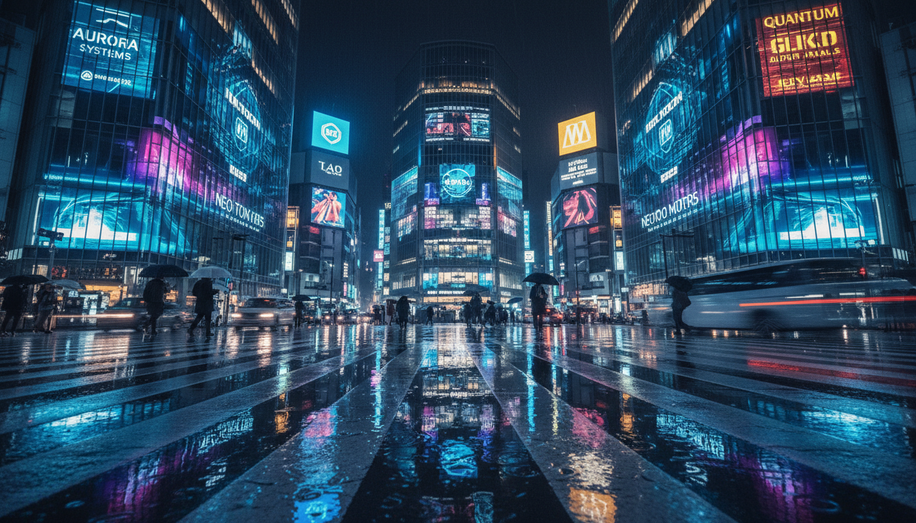

In the evolving landscape of advertising, brands are transcending traditional billboards to craft branded environments—immersive physical spaces where out-of-home (OOH) strategies fuse seamlessly with architecture, urban infrastructure, and daily consumer rituals. These environments turn passive passersby into active participants, elevating brand narratives from fleeting glances to memorable encounters. By strategically deploying OOH elements like interactive shelters, contextual digital displays, and guerrilla installations, companies enhance physical spaces while deepening consumer loyalty.
Consider IKEA’s ingenious campaign in Stockholm, where unpredictable summer weather left outdoor seating underused. The brand installed heated bus shelters emblazoned with its signature blue-and-yellow motifs, complete with cozy cushions and subtle product placements. This OOH tactic addressed a local pain point—chilly evenings—transforming drab transit stops into inviting lounges that embodied IKEA’s ethos of affordable comfort. Commuters lingered longer, fostering positive associations and boosting brand relevance in everyday Swedish life. The result was heightened engagement and loyalty, proving that OOH can solve real-world problems while reinforcing a brand’s identity within the urban fabric.
This approach extends to high-impact zones like transit hubs and street furniture, where OOH integrates effortlessly into consumer flow. Transit advertising, for instance, capitalizes on captive audiences in buses, subways, and stations, delivering unskippable messages that command attention. McDonald’s elevated this in 2021 London with “walk-thru” billboards doubling as food trucks, allowing instant McFlurry purchases amid social distancing mandates. These hybrid structures blurred lines between ad and utility, creating frictionless experiences that drove immediate sales and viral buzz. Similarly, street furniture—benches, kiosks, and shelters—blends OOH into pedestrian-heavy areas, surprising users with localized messaging. Brands like those using durable, custom-printed banners from specialized providers ensure these elements withstand weather while amplifying visual punch.
Digital out-of-home (DOOH) takes branded environments further by infusing real-time relevance. Rain-X’s weather-triggered campaign exemplifies this: digital screens activated during downpours, syncing ads with rain to underscore the product’s windshield prowess. Drivers received timely reminders precisely when relevance peaked, blending atmospheric context with OOH precision for measurable sales lifts. Interactive bus shelters push boundaries even more. One viral effort turned waiting areas into gamified portals, with touchscreens offering virtual journeys or mini-games tied to the brand. Passersby didn’t just see the ad; they lived it, sparking social shares and turning public spaces into conversation hubs.
Guerrilla tactics and unconventional placements amplify these strategies, injecting surprise into branded environments. Campaigns like those wrapping everyday objects—street poles, benches, or even living walls—generate word-of-mouth without massive budgets. Burger King’s eco-billboard, cloaked in live plants to combat urban pollution, morphed a static ad into a breathing ecosystem, aligning the brand with sustainability while purifying city air. Social media exploded with user photos, surging awareness as people felt part of a green movement. Kiehl’s targeted Alpine skiers with skin-care billboards in high-altitude zones, contextualizing messages around cold, dry conditions to drive relevance and visibility.
Such integrations demand thoughtful planning: location context, audience demographics, and durable executions are paramount. Place-based DOOH near spas promotes beauty products, while point-of-purchase displays near checkouts sway high-intent shoppers. Large-format prints and interactive QR codes on banners invite tactile or digital participation, extending the physical experience online. Nostalgic pop culture nods, like Decathlon’s transport ads riffing on iconic moments, forge emotional bonds amid commutes.
The payoff is profound. Branded environments boost recall through repetition in high-traffic flows, outshining skippable digital ads. They humanize brands, solving problems creatively—whether warming shelters or greening walls—to cultivate loyalty. As urban spaces densify, OOH strategies evolve into holistic design tools, where billboards become experiences, shelters turn social, and streets pulse with brand stories. For advertisers, the message is clear: in a digital-saturated world, mastering physical realms via OOH isn’t optional—it’s the path to unforgettable consumer connections.